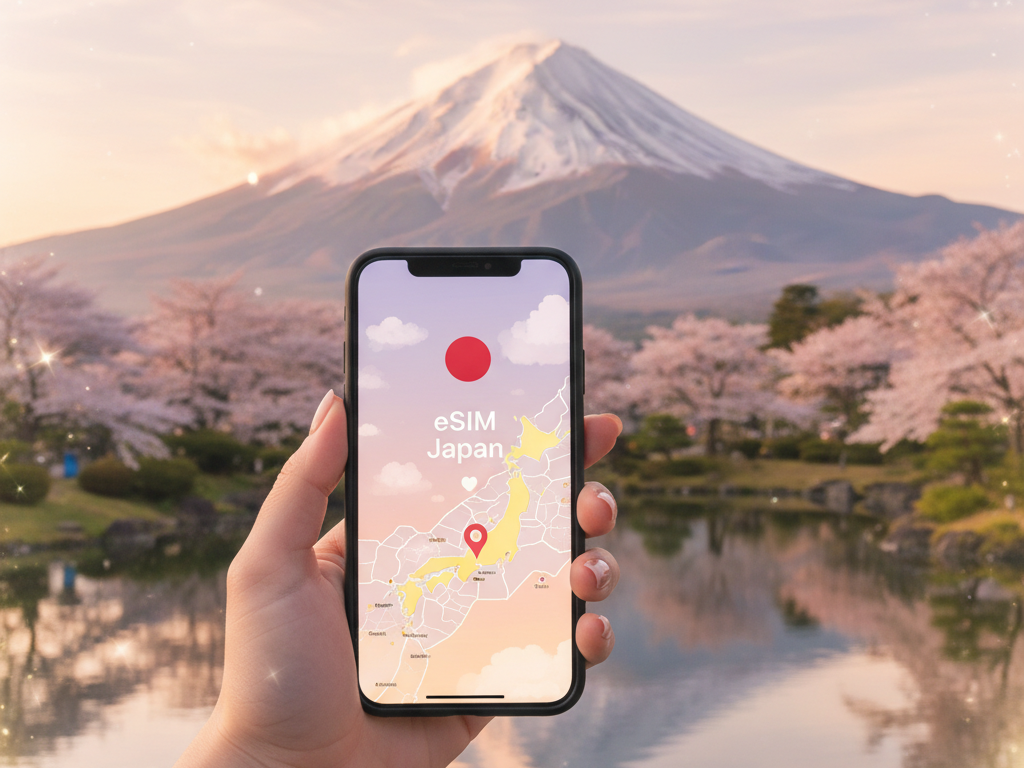
Don’t let expensive US carrier roaming fees ruin your Japan trip. Most major US carriers charge a daily fee of around $10-$12 USD, which quickly adds up. Instead, get a prepaid eSIM that provides instant 4G/5G data access across Japan’s top networks (NTT Docomo, KDDI, SoftBank) at a fraction of the cost.
Here is a guide to the top eSIM providers for your 2026 travel plans.
Top eSIM Providers for Japan Travel
We compare four reliable providers you can easily install before you even board your flight.
| Provider | Network(s) Used | Best For | Typical Pricing (30 Days) |
|---|---|---|---|
| Airalo | SoftBank, KDDI | Balance of price and reliability | 10 GB: ~$18.00 USD |
| Saily | KDDI, NTT Docomo | Short stays, high security (NordVPN backed) | 10 GB: ~$17.99 USD |
| Yesim | NTT Docomo/au | Plans with high data caps or “true” unlimited options | 10 GB: ~$20.40 USD |
| Drimsim | Docomo Network | Pay-as-you-go flexibility | Pay per MB used |
1. Airalo
Airalo is the world’s first eSIM store and is a popular choice for first-timers due to its user-friendly app and extensive global coverage. Their “Moshi Moshi” plans connect to reliable networks like SoftBank and KDDI, offering consistent speed in cities and popular tourist areas.
- Pros: Easy to use, instant top-ups available via the app, and good network reliability.
- Cons: “Unlimited” plans often have a 3GB daily high-speed cap before slowing down.
- Get your Airalo eSIM for Japan here!
2. Saily
Backed by the same company as NordVPN, Saily is a great option for privacy-conscious travelers. They offer competitive pricing, and their plans can include security features like an ad blocker and web protection.
- Pros: Backed by a trusted security brand, competitive prices for small data packs, and easy app-based management.
- Cons: Slightly higher pricing on larger plans compared to some wholesale options.
- Get your Saily eSIM for Japan here!
3. Yesim
Yesim offers a variety of plans, including both fixed-data and unlimited options with tethering capabilities. They connect to the robust Docomo network, known for great rural and subway coverage.
- Pros: Wide variety of data options from 5GB up to unlimited, good coverage on the Docomo network.
- Cons: Unlimited plans are subject to a fair-usage policy which may throttle speeds after significant usage.
- Get your Yesim eSIM for Japan here!
4. Drimsim
Drimsim operates slightly differently as a universal SIM card (physical or eSIM). You top up a balance and pay for data as you use it (pay-as-you-go).
- Pros: Excellent if you’re traveling across multiple countries and don’t want to buy multiple plans..
- Cons: Can be more expensive for a single-country, long-term trip compared to a dedicated 30-day package.
- Get your Drimsim universal eSIM here!
Conclusion: A No-Brainer for US Travelers
Using an eSIM is a superior alternative to carrying a bulky pocket Wi-Fi device or paying expensive roaming fees. It gives you peace of mind and connectivity the moment your plane touches down at Narita or Haneda Airport.
To make sure you maximize your savings, check the plan prices a few weeks before your trip, as they fluctuate based on seasonal demand.
Did you find this guide helpful for selecting the right eSIM provider for your trip?